

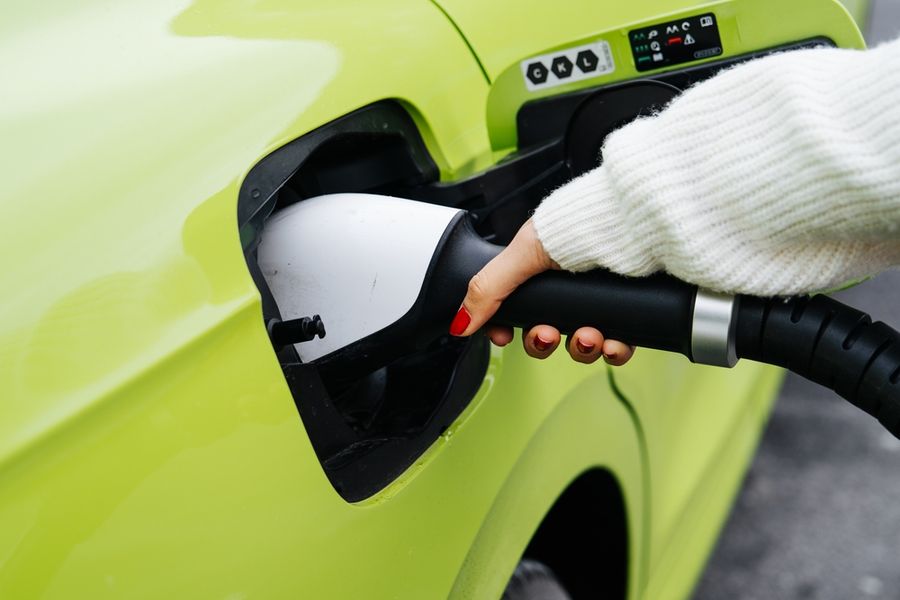
Buying your first electric car can feel like a bigger leap than switching between two gas-powered models. Range, charging, battery size, driving habits, and home setup all deserve a little thought before you commit. The good news is that EV shopping gets much easier once you know which details actually affect daily life. Choosing the right model is less about chasing the longest range or newest technology and more about finding a car that fits how, where, and how often you drive.
Understand How EV Ownership Differs From Gas-Powered Driving
An electric vehicle replaces the traditional gasoline engine with an electric motor powered by a rechargeable battery. That change affects more than what happens at the fuel pump. EVs are generally quieter, deliver power quickly, and often require less routine maintenance because they don't need oil changes or many of the engine-related services associated with gas vehicles.
Charging also changes the rhythm of ownership. Instead of stopping for fuel every week or two, many EV owners plug in at home and start the day with a replenished battery. Long trips may require more planning because charging stops usually take longer than filling a gas tank. Before buying, think about whether that routine fits naturally into your lifestyle.
Choose a Range That Fits the Way You Really Drive
EV range gets a lot of attention, but buying the model with the biggest possible number isn't always necessary. Start by considering how many miles you typically drive on a normal weekday. Someone with a short commute and home charging may be comfortable with far less range than a driver who regularly covers hundreds of miles.
Remember that real-world range can vary. Cold weather, high speeds, heavy climate-control use, hills, towing, and carrying extra weight can all affect how far an EV travels between charges. Give yourself some breathing room rather than choosing a vehicle whose advertised range barely covers your longest regular trip. Extra range can provide convenience, but paying substantially more for capacity you rarely use may not offer much practical value.
Figure Out Where and How You'll Charge
Charging access is one of the most important things to consider before buying an EV. If you have a garage, driveway, or dedicated parking space with access to electricity, home charging may handle most of your needs. A standard household outlet can provide slow charging, while a Level 2 charger can refill the battery much faster and may be more practical for regular use.
If you live in an apartment or don't have reliable home charging, investigate public and workplace options before purchasing. Look at where nearby chargers are located, what charging speeds they offer, and whether they work with the vehicle you're considering. A great EV can feel inconvenient if charging requires frequent detours or long waits, so make charging compatibility part of the buying decision rather than something you figure out afterward.
Pay Attention to Battery Size and Charging Speed
Battery capacity helps determine how much energy an EV can store, but a larger battery doesn't automatically make a car better. Larger packs may provide more range, yet they can also increase vehicle weight and purchase price. Think about the balance between capacity, efficiency, and your normal driving needs rather than focusing only on battery size.
Charging speed matters too, particularly if you expect to take road trips or rely heavily on public fast chargers. Two EVs with similar ranges can take very different amounts of time to add the same number of miles. Look at both the maximum charging rate and how well the vehicle maintains charging speed as the battery fills. Faster charging can make longer journeys considerably easier, while drivers who mostly charge overnight at home may care less about peak speeds.
Consider Size, Features, and Everyday Practicality
An EV still has to work as a car, so don't let battery specifications distract you from everyday usability. Think about passenger space, cargo room, visibility, seat comfort, ground clearance, and how easy the vehicle is to park. A model with excellent range won't feel like the right purchase if it can't comfortably carry your family, luggage, pets, or work gear.
Features deserve the same practical approach. Decide which ones you'll actually use, whether that's heated seats, advanced driver-assistance systems, a large touchscreen, smartphone integration, or a spacious rear seat. Also pay attention to physical controls and how easy common functions are to access. Spend time sitting in the vehicle before buying. A well-designed cabin that suits your routine may matter far more over several years than flashy technology you rarely touch.
Look Beyond the Purchase Price
The sticker price is only part of what an EV will cost to own. Electricity rates, insurance, tires, registration, charging equipment, and future repairs can all affect your budget. EVs often require less routine powertrain maintenance, but they still need tires, brakes, suspension work, cabin filters, and other normal vehicle care. Heavier vehicles and strong acceleration can also contribute to faster tire wear in some cases.
If you're considering a used EV, pay particular attention to battery condition and remaining warranty coverage. Battery degradation is normal over time, but the amount can vary depending on age, mileage, climate, and charging history. Comparing long-term ownership costs alongside the purchase price can help you avoid choosing a cheaper vehicle that doesn't actually fit your budget or driving needs.
Make Sure the EV Fits Your Life
The right electric car doesn't need to have the longest range, fastest charging, biggest battery, or most technology. It needs to work smoothly with your driving habits, parking situation, charging access, budget, and everyday needs. Thinking through those details before shopping can make it much easier to separate useful features from expensive extras.
Take your time comparing models and test-drive more than one if possible. Pay attention to comfort, visibility, regenerative braking, acceleration, controls, and how natural the car feels to operate. Your first EV should make daily driving easier, not force you to reorganize your routine around the vehicle. When the charging setup, range, size, and cost all make sense, you'll be far more likely to feel confident about making the switch.