

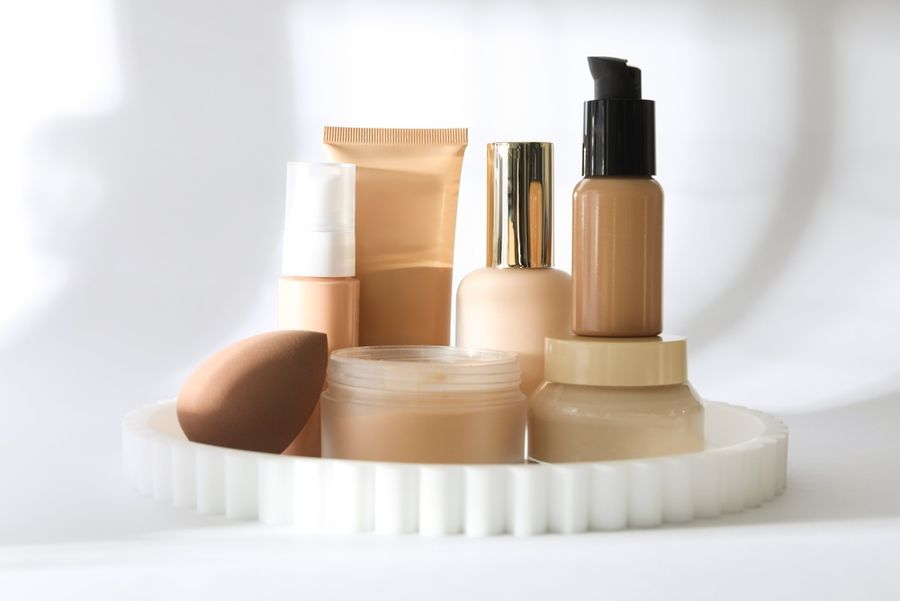
Finding the right foundation can feel like searching for a needle in a haystack, especially with hundreds of formulas, finishes, and shades lining the shelves of every beauty aisle. A foundation that works brilliantly for one person can look cakey, ashy, or completely wrong on another, and that's usually a matching problem rather than a formula one. Understanding your skin type, tone, and what you want from a base makes all the difference between a product you'll love and one you'll forget.
Know Your Skin Type Before You Shop
Identifying your skin type is the most important step before picking a foundation. Oily skin tends to produce excess sebum throughout the day, causing foundation to slide or look shiny by midday. Dry skin can make foundation look patchy or flaky, especially around the nose and cheeks. Combination skin falls somewhere in between, with an oily T-zone and drier areas along the cheeks and jawline.
Normal skin is the most forgiving and tends to work well with most formulas. Sensitive skin needs a bit more care, since certain ingredients like fragrance and alcohol can trigger irritation or redness. If you're unsure of your skin type, wash your face, skip moisturizer, and check how your skin looks and feels after an hour. What you notice will point you toward the right formula.
The Different Types of Foundation and What They're Best For
Liquid foundation is the most popular format for good reason! It's versatile, buildable, and available across a wide range of coverage levels and finishes. Water-based liquid formulas tend to work best for oily or acne-prone skin, while richer, hydrating versions suit dry skin better. Powder foundation is a go-to for oily skin since it absorbs excess sebum and feels lightweight without looking heavy.
Stick foundations are typically more emollient and offer fuller coverage, making them a strong choice for dry skin types. Cushion foundations deliver a dewy, lightweight finish that works beautifully for dry or normal skin. Serum foundations blend skincare and makeup, making them popular for those who prefer a lighter, more natural look. Knowing what each format is designed to do makes narrowing down your options a lot more straightforward.
Tips for Colour Matching Your Foundation Shade
Getting your shade right is where a lot of people run into trouble. The most common mistake is testing foundation on your wrist or hand, which is rarely the same tone as your face. Instead, swatch two or three shades along your jawline and step into natural light. The shade that disappears into your skin without leaving a visible line is the one worth buying.
Beyond depth of shade, undertone matters just as much. Skin undertones fall into three categories: warm (yellow or golden), cool (pink or blue), and neutral (a blend of both). A foundation that doesn't match your undertone will look off no matter how close the depth is. Many brands now offer online shade-matching tools, and asking a beauty counter associate for help in person is always a reliable option worth taking advantage of.
Choosing the Right Level of Coverage
Foundation coverage ranges from sheer to full, and the right level comes down to personal preference and your specific skin concerns. Sheer coverage evens out the skin tone subtly while still letting natural texture and freckles show through. It's a great everyday option for those with relatively clear skin who just want a little polish without feeling like they're wearing makeup at all.
Medium coverage handles mild redness, discoloration, and light blemishes without feeling like a mask. Full coverage foundations are designed for more significant concerns like hyperpigmentation or acne scarring, and they can be built up without looking cakey when applied with the right tools and technique. Keep in mind that heavier formulas on dry or textured skin can settle into fine lines, so choosing a coverage level that suits your actual needs will always look and feel more comfortable.
The Finish You Pick Changes Everything
The finish of a foundation can dramatically change how your skin looks by the end of the day. Matte foundations absorb oil and create a flat, shine-free look that tends to work best for oily skin types. They control sebum well and photograph nicely, but they can look flat or overly dry on those with drier skin or more mature complexions who'd benefit from a little luminosity.
Dewy finishes add a luminous, skin-like glow that works beautifully on dry or normal skin, giving a healthy and hydrated appearance. Satin or natural finishes sit right in between, offering a subtle sheen without looking oily, making them a solid pick for combination or normal skin types. If you love the look of dewy skin but tend to get shiny, a light dusting of setting powder over a dewy formula can give you the best of both worlds.
Ingredients That Can Make or Break Your Formula
The ingredient list on a foundation tells you a lot about how it'll perform on your skin day to day. Hyaluronic acid and glycerin are hydrating ingredients that help dry skin stay comfortable and plump throughout wear. Niacinamide is a multi-tasker that helps even out skin tone, minimize the appearance of pores, and calm redness, making it a great addition for acne-prone or combination skin.
On the flip side, some ingredients are worth watching out for. Heavy synthetic fragrance can dry out or irritate sensitive skin, while certain silicones, though they create a smooth, blurring effect, can clog pores for some people. If you're prone to breakouts, look for foundations labeled non-comedogenic, meaning they're formulated so they won't block pores. Getting into the habit of reading the ingredient list before buying can save you a lot of frustration in the long run.
Your Perfect Foundation Is Out There
With so many options available, finding a foundation that truly works can take a little trial and error, and that's completely normal. Don't get discouraged if the first one you try isn't a perfect match. Many makeup counters offer samples, and plenty of retailers have generous return policies that make it easier to experiment without financial risk. Treat the search as part of the process rather than a sign you've chosen wrong.
Once you find a formula that suits your skin type, matches your tone, and delivers the finish you love, it tends to become a reliable staple that simplifies your whole routine. A great foundation won't just cover what you want covered — it'll make your skin look like the best version of itself. Trust your instincts, take your time, and don't settle for a shade or formula that's only close enough.