

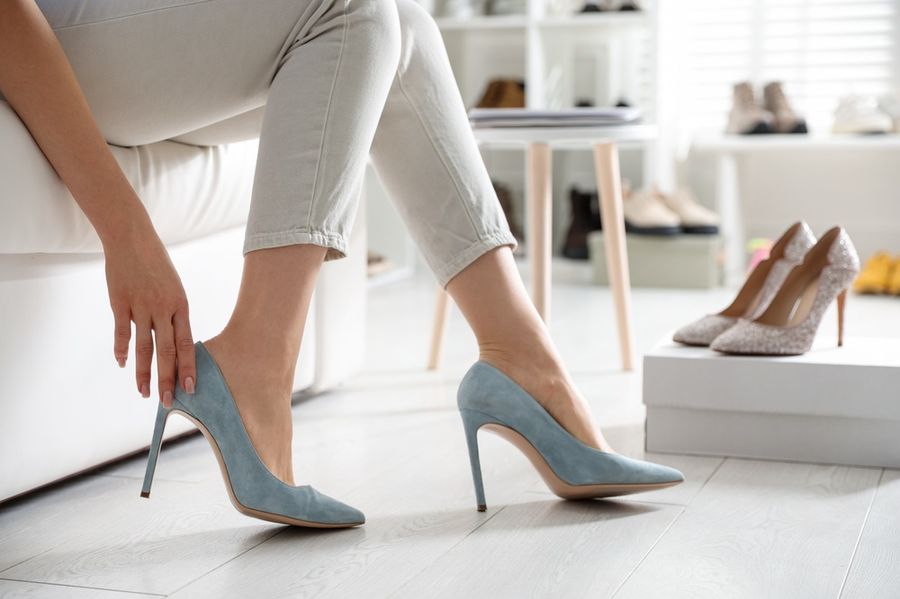
Finding shoes that look great is easy. Finding a pair you’ll still want to wear after several hours is much harder. Style matters, but so do fit, support, materials, and how the shoe works with your daily routine. A pair that pinches, slips, or leaves your feet aching can quickly turn into an expensive mistake. Paying attention to comfort from the start can help you choose shoes that work with your wardrobe without spending most of their time in the closet.
Start With the Right Fit
Good-looking shoes won’t feel comfortable if the fit is wrong. Your toes should have enough room to move without feeling cramped, while your heel should stay secure rather than sliding up and down as you walk. Shoes that feel painfully tight in the store usually aren’t a good bet, even if you’re hoping they’ll stretch with wear.
Keep in mind that sizing can vary between brands and even between different styles from the same brand. Don’t rely only on the number printed inside the shoe. Walk around and pay attention to pressure across the toes, sides, heel, and top of your foot. If you’re shopping online, check the retailer’s sizing information and return policy so you can exchange a pair that doesn’t fit as expected.
Look for Support Where You Need It
Support matters differently depending on the type of shoe and how long you plan to wear it. Everyday shoes should generally feel stable underfoot and provide enough cushioning to keep your feet comfortable during normal walking. The sole shouldn’t feel so flimsy that you can feel every hard surface beneath you.
Arch support can also affect comfort, especially if you spend a lot of time standing or walking. Some people prefer noticeable arch support, while others feel better in flatter designs. Pay attention to what your feet already respond well to rather than assuming more cushioning or support is always better. If you regularly use orthotic inserts, check that the shoe has enough room and, ideally, a removable insole that can accommodate them without making the fit too tight.
Pay Attention to Materials and Construction
The materials used in a shoe can influence comfort, appearance, durability, and how well it adapts to your foot. Leather can soften and mold somewhat with wear, while many knit and textile uppers offer flexibility and breathability. Synthetic materials vary widely, so pay attention to whether the upper feels soft and flexible or stiff against your foot.
Construction matters too. Look for smooth interior seams, secure stitching, and a sole that feels firmly attached. Run your fingers around the inside if you can, checking for rough spots that could rub against your skin. Breathability is especially useful for shoes you’ll wear for long periods or in warm weather. A stylish design may catch your eye first, but better materials and thoughtful construction can determine whether you actually enjoy wearing the shoes.
Think Carefully About Heel Height and Shape
Heels can completely change the look of a shoe, but height and shape can also change how comfortable it feels. A very high or narrow heel shifts more weight toward the front of the foot and may be harder to wear for long periods. Lower heels, block heels, wedges, or platforms may provide a more stable base depending on the design.
Don’t judge comfort by heel height alone. Toe shape, cushioning, strap placement, and the angle of the foot all matter too. A lower shoe with a narrow toe box can be less comfortable than a slightly higher style with more room. Walk on both hard flooring and carpet when possible to see how stable the shoes feel. If you’re already thinking about when you’ll be able to take them off, they probably aren’t the right pair.
Match the Shoes to How You’ll Wear Them
Before buying, think about where the shoes will actually go. A pair for commuting, traveling, or running errands needs a different level of comfort from shoes you’ll wear to a short dinner or special event. Consider how much walking or standing is involved and whether you’ll be wearing the shoes indoors, outdoors, or across several different surfaces.
Your wardrobe matters too. A beautiful pair isn’t especially useful if it works with only one outfit. Look for shoes that suit the clothes you wear most often and can handle several occasions when possible. Versatile colors, simple shapes, and classic styles can often earn more wear than highly specific designs. The goal isn’t to avoid statement shoes, but to make sure you’re buying for your real lifestyle rather than an imagined one.
Try Shoes on the Way You’ll Actually Wear Them
A quick try-on can tell you a lot, but only if you recreate normal wear as closely as possible. Try shoes with the type of socks, tights, or inserts you expect to use regularly. Walk around for several minutes instead of standing in front of a mirror, and notice whether your toes hit the front, your heel slips, or any straps begin to rub.
It can also help to try shoes later in the day, when feet may be slightly more swollen than they are first thing in the morning. Check both shoes because one foot may be a little larger than the other. Don’t ignore minor discomfort just because you love the style. Shoes can soften somewhat over time, but a poor fit at purchase may stay uncomfortable no matter how attractive they look.
Give Style and Comfort Equal Weight
You shouldn’t have to choose between shoes that look good and shoes you can actually wear. The strongest purchases usually balance both. A flattering shape, versatile color, and style you genuinely like can work alongside proper fit, supportive construction, and materials that feel comfortable against your feet.
Take a few extra minutes to walk, bend, and pay attention to how a pair feels before buying. If you’re shopping online, choose retailers with practical return options and test the shoes indoors before committing. The best pair won’t just look appealing in the box. It’ll earn a place in your regular rotation because you can wear it confidently without counting down the minutes until you can take it off.