
Whether you're chasing sleek, straight locks or bouncy, defined curls, the right hair styling tool can make all the difference. With so many options flooding the market, from flat irons and curling wands to multi-barrel wavers and hot air brushes, choosing the best one for your hair type and texture can feel genuinely overwhelming. Knowing what separates a great tool from a disappointing one will save you time, money, and unnecessary heat damage along the way.
The Different Types of Hair Styling Tools
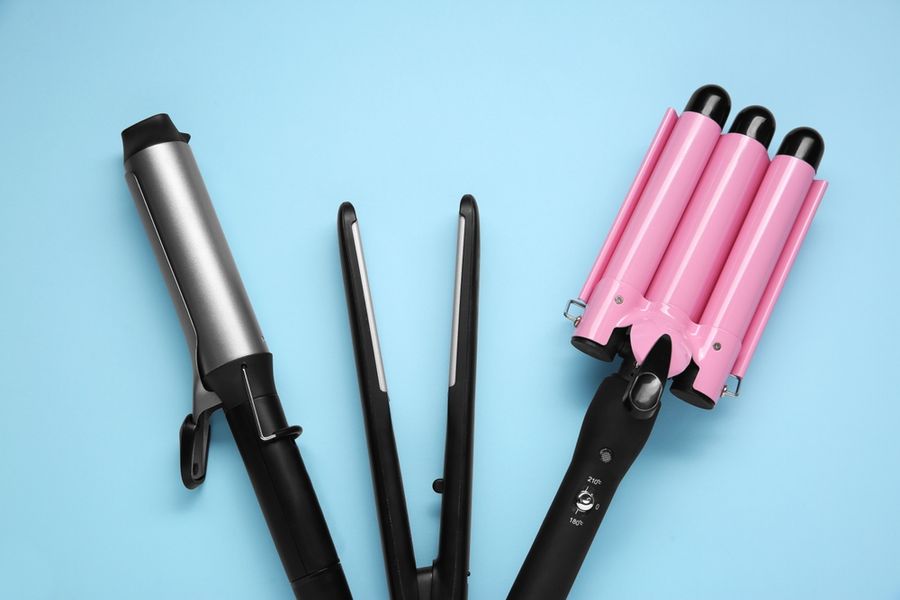
Before spending money on a new tool, it's worth understanding what's actually out there. Flat irons, also called straighteners, are designed to smooth hair and can double as wave-makers with a simple twisting technique. Curling irons come in a variety of barrel shapes and sizes, each producing a different style of curl. A classic clamp-style curling iron delivers polished, defined ringlets, while a clipless wand creates more natural, textured waves without leaving a crease.
Multi-barrel tools, like the three-barrel waver, have surged in popularity for producing that effortless, beachy wave look in minutes. Hot air brushes combine a round brush with built-in heat, letting you add volume as you dry. There are also rotating barrel curlers that do the wrapping for you, making the process more manageable for beginners. Getting familiar with each type ensures you're choosing a tool that actually fits your styling goals.
What the Coating on Your Tool Really Does
The material coating the plates or barrel of a styling tool plays a major role in how your hair is treated during use. Ceramic is one of the most common coatings and is loved for its ability to distribute heat evenly. Because it doesn't have hot spots, it reduces the risk of heat damage and leaves hair looking smooth and shiny rather than fried. It's a solid choice for those with fine or color-treated hair.
Tourmaline, a semi-precious gemstone ground into a fine powder, is often infused into ceramic plates to boost performance. It emits negative ions that seal the hair cuticle, reducing frizz and locking in moisture. Titanium, on the other hand, heats up quickly and holds high temperatures well, making it a popular pick for those with thick, coarse, or hard-to-style hair. Understanding each material helps you match the tool to your hair's specific needs.
Adjustable Heat Settings and Why They Matter
Not all hair types can handle the same level of heat, and a tool with limited temperature options can quickly cause more harm than good. Fine or color-treated hair is more vulnerable to damage and works best with lower settings, typically between 250°F and 350°F. Thicker or coarser hair textures generally require higher temperatures, sometimes reaching 400°F or above, to achieve smooth or defined results without making multiple passes over the same section.
A tool with a wide, adjustable temperature range gives you the flexibility to protect your hair while still getting the style you want. Many higher-end tools include digital displays so you can see exactly what temperature you're working with. Some even offer memory settings that recall your preferred temperature the next time you turn the tool on. That kind of customization makes a real difference in both the health of your hair and the consistency of your results.
Why Your Hair Type Should Drive Your Decision
Your hair's texture, thickness, and condition should be the starting point of any styling tool decision. Fine, straight hair tends to be more heat-sensitive, so a gentler tool with lower heat capacity is often the better fit. Wavy hair can go either way, depending on whether you're looking to enhance natural texture or smooth things out. Curly and coily hair types, especially when natural, tend to need more heat and higher-quality coatings to see real results.
Damaged or chemically treated hair, including bleached or relaxed hair, needs extra care. High heat can worsen existing damage, so tools with precise temperature control are worth the investment. If you're working with extensions or keratin-treated hair, you'll also want to check manufacturer guidelines, since some treatments have specific heat requirements. Choosing a tool that works with your hair type rather than against it will always deliver better long-term results.
Barrel and Plate Size: More Important Than You'd Think
The size of a barrel or plate can significantly affect the final look of your style. For flat irons, narrower plates around one inch or less are ideal for short hair or getting close to the roots, while wider plates between 1.5 and 2 inches cover more surface area and work better for long, thick hair. A wider plate can get through a full blowout in far less time, which is worth considering if speed matters to you.
For curling tools, barrel diameter determines the size of the curl. A smaller barrel, around three-quarters of an inch, creates tight, defined curls. A larger barrel, around one and a half inches or more, produces loose, flowing waves. If you can only invest in one tool, a mid-size barrel tends to be the most versatile option. Trying out a few different sizes, even at a salon, before committing can save you from buyer's remorse.
Features That Are Worth Paying Attention To
Beyond heat and coating, a handful of practical features can make a styling tool far more enjoyable to use every day. Cord length is one that's easy to overlook until you're stretching to reach an outlet across the bathroom. A swivel cord is especially useful since it prevents tangling and makes maneuvering around your head much easier. Some tools come with a longer cord specifically designed for a better range of motion during use.
Auto shut-off is a safety feature that's become nearly standard on quality tools, and it's one you shouldn't skip if you're prone to rushing out the door in the morning. Dual voltage compatibility is another smart detail if you travel internationally, letting you use the tool abroad without a converter. Ergonomic grip design, cool-tip ends on curling irons, and included heat-resistant pouches are small extras that add up to a noticeably better experience. The right combination of features can take a good tool and make it a great one.
The Right Tool Is Waiting for You
Buying a hair styling tool doesn't have to feel like a gamble. Armed with a clear understanding of your hair type, the coating materials that suit it best, and the features that fit your lifestyle, you're already in a much stronger position than most shoppers. The difference between a tool you'll love and one that ends up collecting dust often comes down to doing a little research before clicking "buy."
Don't rush the decision, and don't let a flashy brand name or a low price tag be your only guide. Read reviews from people with similar hair types, check the temperature range, and pay attention to the warranty. A well-made styling tool, properly matched to your hair, can last for years and genuinely transform your daily routine. Take your time, weigh your options, and invest in something that'll work as hard as you do.