

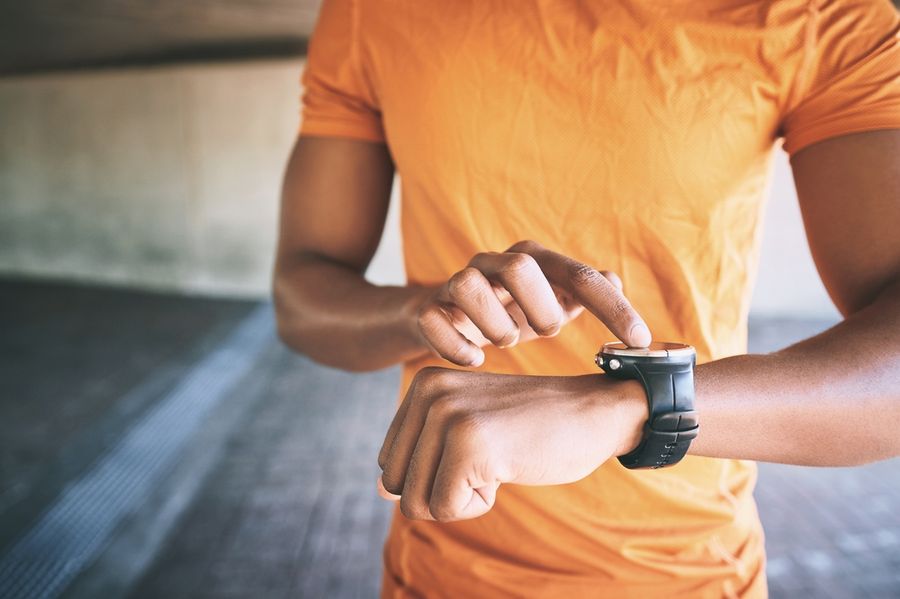
A smartwatch can do far more than tell time, but the best model for you depends on how you actually plan to use it. Some people want fitness tracking and workout data, while others care more about calls, messages, navigation, or convenience throughout the day. Battery life, comfort, phone compatibility, and price can matter just as much as flashy features. Thinking about your routine before you shop can help you avoid paying for functions you’ll rarely use.
Start With Your Phone and Device Compatibility
Before comparing features, make sure the smartwatch works properly with your phone. Some watches are designed to work best within a specific device ecosystem, while others support a wider range of smartphones. Compatibility can affect notifications, messaging, apps, mobile payments, health features, and how easily information syncs between devices.
Check both the operating system requirements and any features that may be limited when the watch is paired with a different brand of phone. A smartwatch may technically connect while still withholding some useful functions. If you already use several devices from one brand, staying within the same ecosystem can make setup and everyday use smoother. Compatibility should be one of your first checks, not something you find out after buying.
Decide Which Features You’ll Actually Use
Smartwatches can include an overwhelming number of features, but you probably don’t need all of them. Think about what you want the watch to handle every day. Basic models may provide notifications, alarms, timers, weather updates, and activity tracking, while more advanced options can offer navigation, music controls, voice assistants, contactless payments, and downloadable apps.
Fitness and wellness features also vary widely. Some watches track workouts, steps, heart rate, sleep, elevation, or other activity data. If fitness is a major reason you’re buying one, look closely at the sports and tracking tools that match your routine. If you mainly want quick access to messages and reminders, paying extra for specialized athletic features may not make much sense.
Pay Attention to Battery Life and Charging
Battery life can shape how convenient a smartwatch feels. Some models need charging every day or two, while others can last several days or much longer depending on the display, features, and how heavily you use them. Frequent GPS use, bright screens, workout tracking, and cellular connectivity can all shorten the time between charges.
Think about when charging would fit naturally into your routine. If you want to wear the watch overnight for sleep tracking, a model that requires nightly charging may be frustrating. Fast charging can help if you only have short windows to plug in. Travelers and outdoor enthusiasts may prefer longer battery life so they aren’t constantly searching for a charger. Look at real-world battery expectations rather than judging a watch only by its maximum advertised estimate.
Choose a Size and Design You’ll Want to Wear
A smartwatch only provides value if you’re comfortable wearing it regularly. Case size, thickness, weight, strap material, and screen shape can all affect how it feels on your wrist. Larger displays may be easier to read and interact with, but they can also feel bulky on smaller wrists or get in the way during workouts.
Try on different sizes when possible, especially if you plan to wear the watch throughout the day and overnight. Check whether the strap fits securely without feeling tight and whether replacements are easy to find. Style matters too. Some watches have a sporty appearance, while others resemble traditional watches and can blend more easily with work or dressier clothing. Pick something that fits both your wrist and your everyday wardrobe.
Think About Durability and Water Resistance
Your smartwatch needs to handle the environments where you plan to wear it. If you exercise frequently, work outdoors, hike, swim, or spend time around water, durability should play a larger role in your decision. Look at the case material, screen protection, and resistance to dust, bumps, and moisture.
Water resistance deserves particular attention because ratings aren’t all equal. A watch that can survive splashes or rain may not be suitable for swimming or prolonged water exposure. Check the manufacturer's recommended uses rather than assuming any water-resistant watch can go everywhere. People with active or outdoor lifestyles may also value tougher materials and easier-to-clean bands. If your routine is mostly office work and casual wear, you may be able to prioritize comfort and design instead.
Decide Whether You Need Cellular Connectivity
Many smartwatches rely on a nearby phone for calls, messages, internet access, and other connected features. That works well for people who usually carry their phones anyway. Cellular models can operate more independently, allowing you to stay connected during a walk, workout, or quick errand without having your phone with you.
The extra freedom usually comes with additional cost. Cellular versions may cost more upfront and can require a separate service plan from your mobile carrier. They may also use more battery power than Wi-Fi or Bluetooth-only models. Think about how often you genuinely want to leave your phone behind. If the answer is rarely, a standard model may give you nearly everything you need for less money and with fewer ongoing expenses.
Pick the Watch That Fits Your Routine
The right smartwatch isn’t necessarily the one with the largest screen or longest feature list. It should work well with your phone, feel comfortable on your wrist, last long enough between charges, and offer functions you’ll actually use. Matching the watch to your lifestyle can also help you avoid paying extra for technology that sounds impressive but adds little value to your day.
Before buying, compare a few models based on your own priorities rather than popularity alone. Someone focused on fitness may make a very different choice from someone who mainly wants notifications and convenience. When the features, size, battery life, connectivity, and price all fit your routine, you’re much more likely to end up with a smartwatch that earns its place on your wrist.